
Leslie Hoyt
Track: Specialty & Technique
At a Glance
- Move beyond literal documentation to create images that communicate the essence of a subject or place.
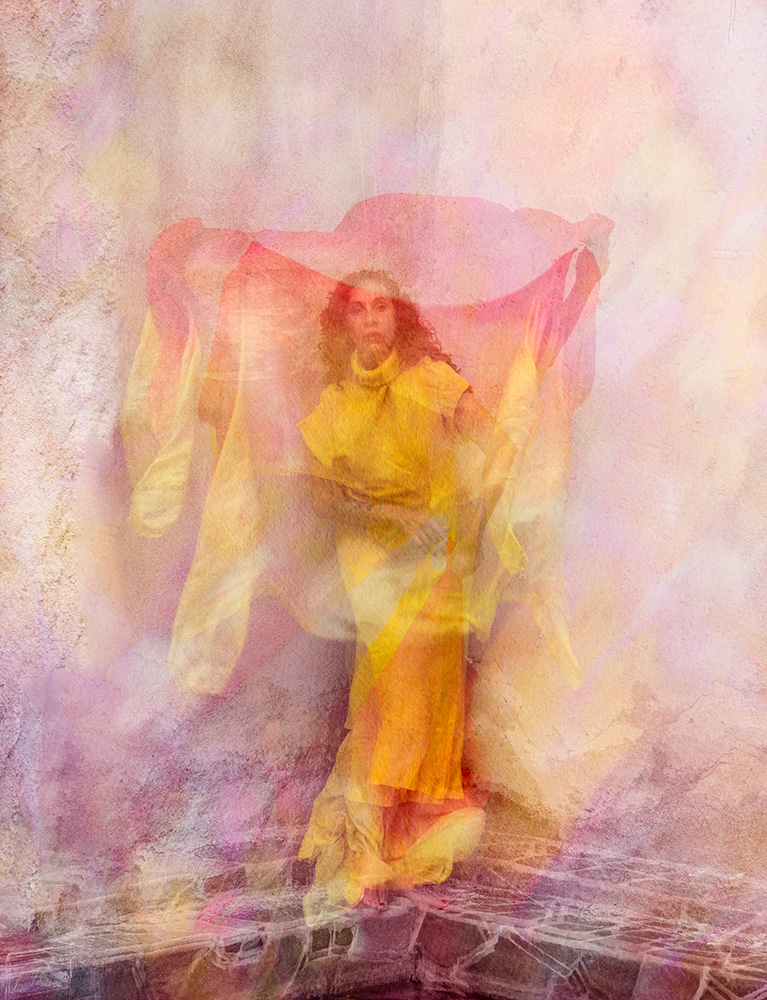
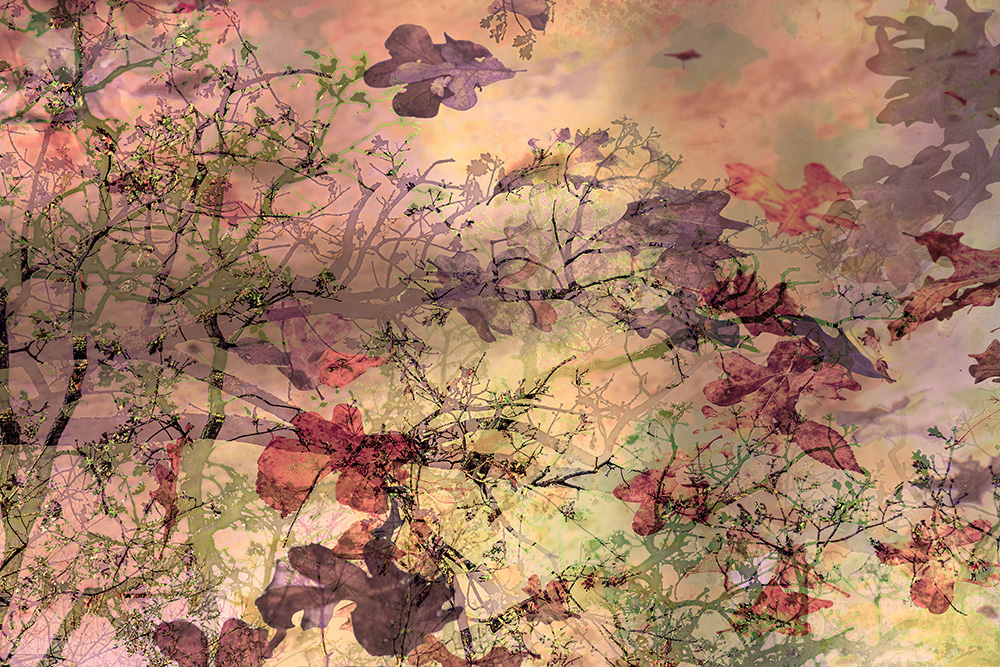
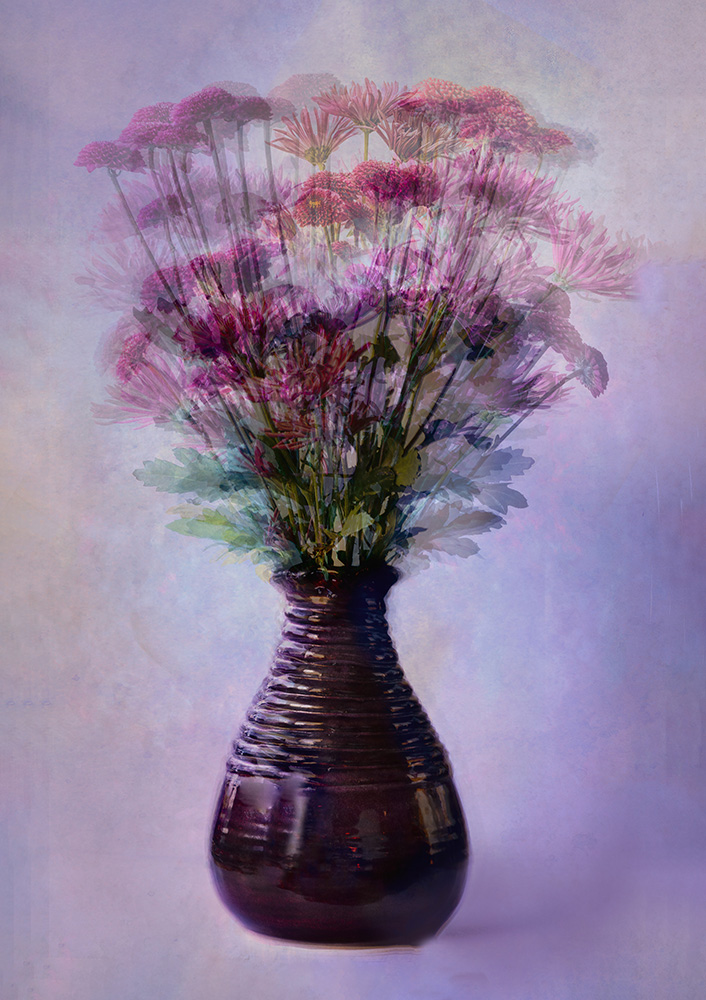
- Learn to create in-camera multiple exposures while intentionally layering imagery, movement, focus, and visual relationships into a single photograph.
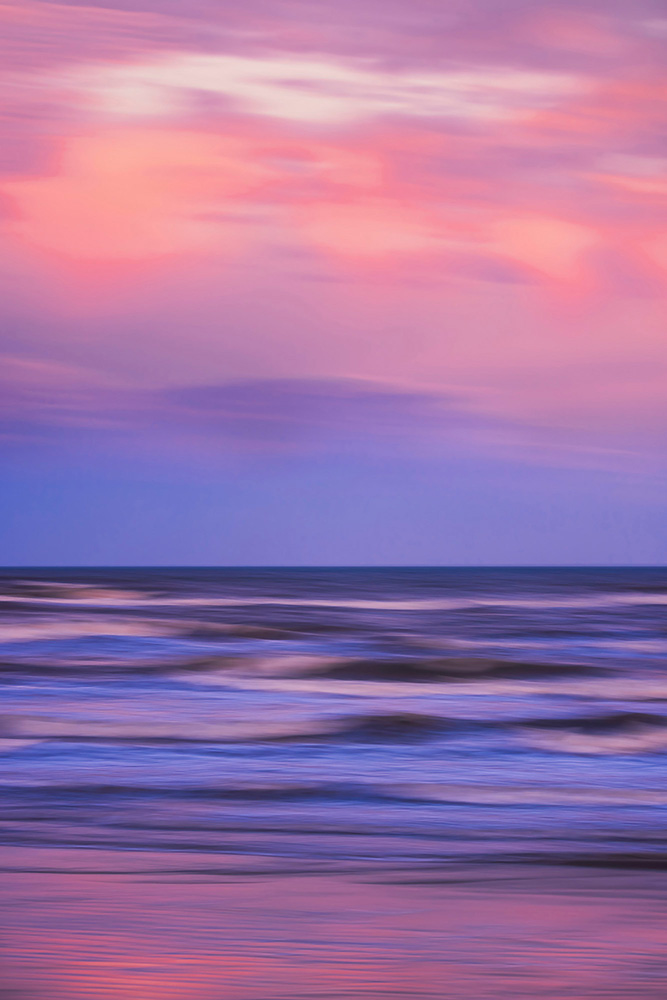
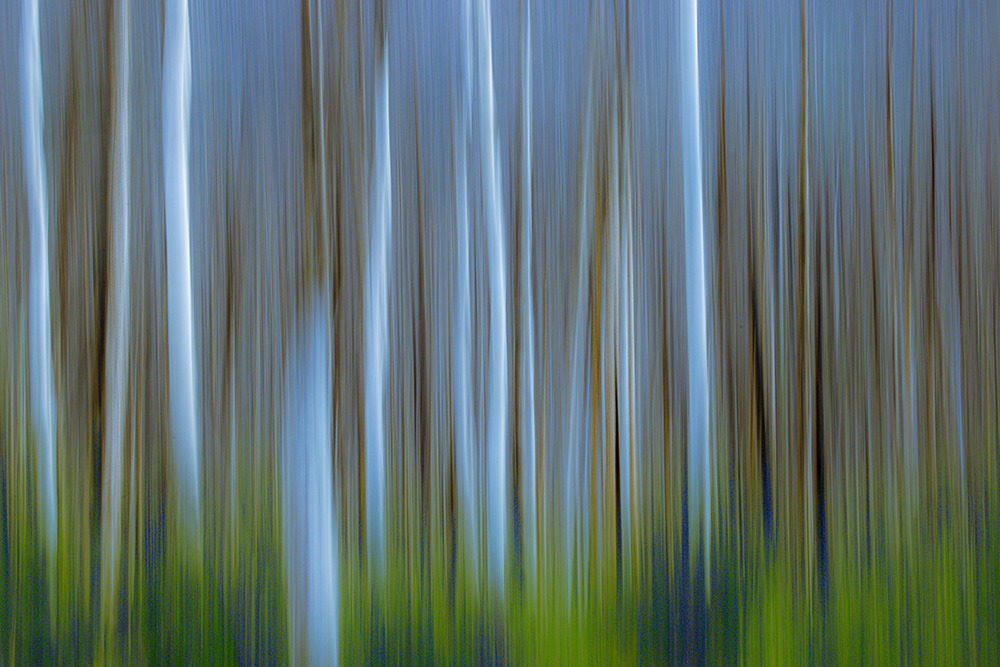
- Use intentional camera movement with confidence by understanding how shutter speed and camera motion work together to shape an image.
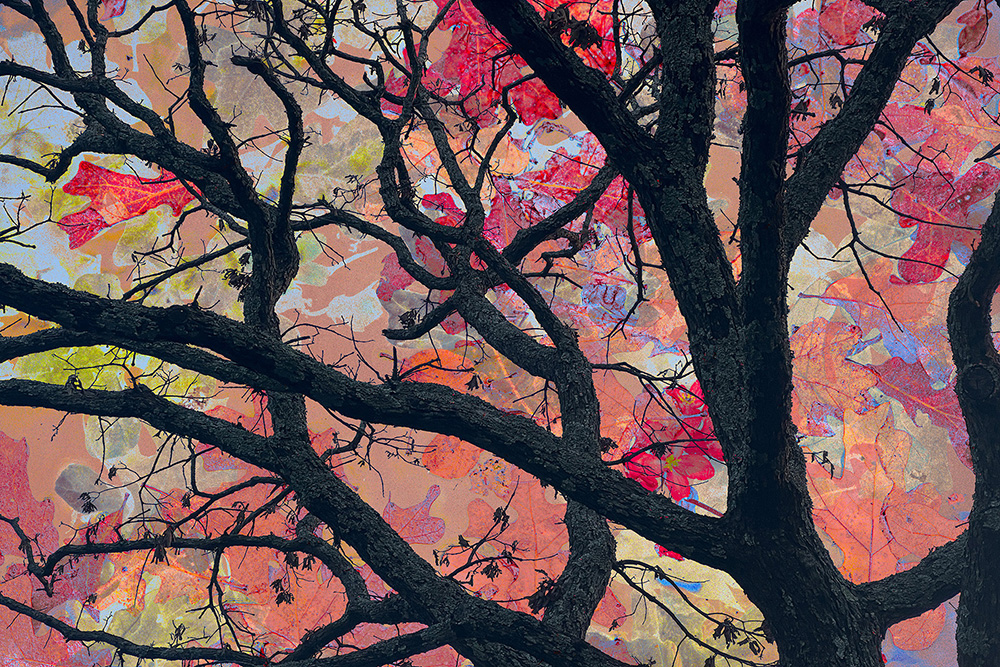
- Use post-processing as a creative extension of vision through Lightroom or Camera Raw and Photoshop, including layered multiple exposures, simulated motion, and expressive color adjustments.
- Develop your visual voice through play, experimentation, reflective seeing, and a process that balances spontaneity with informed artistic decision-making.
Class Description
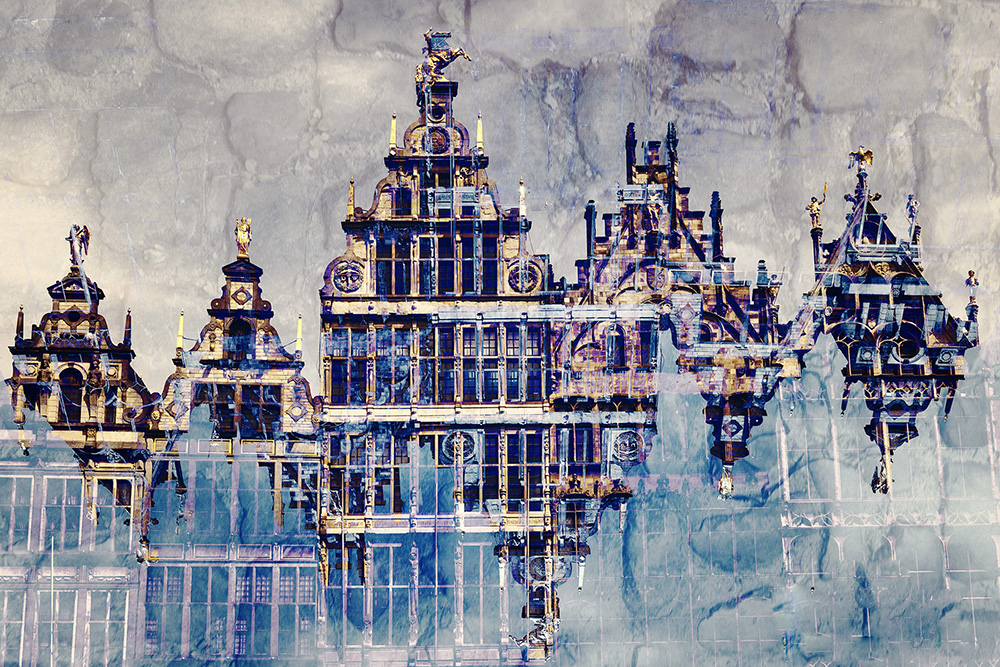
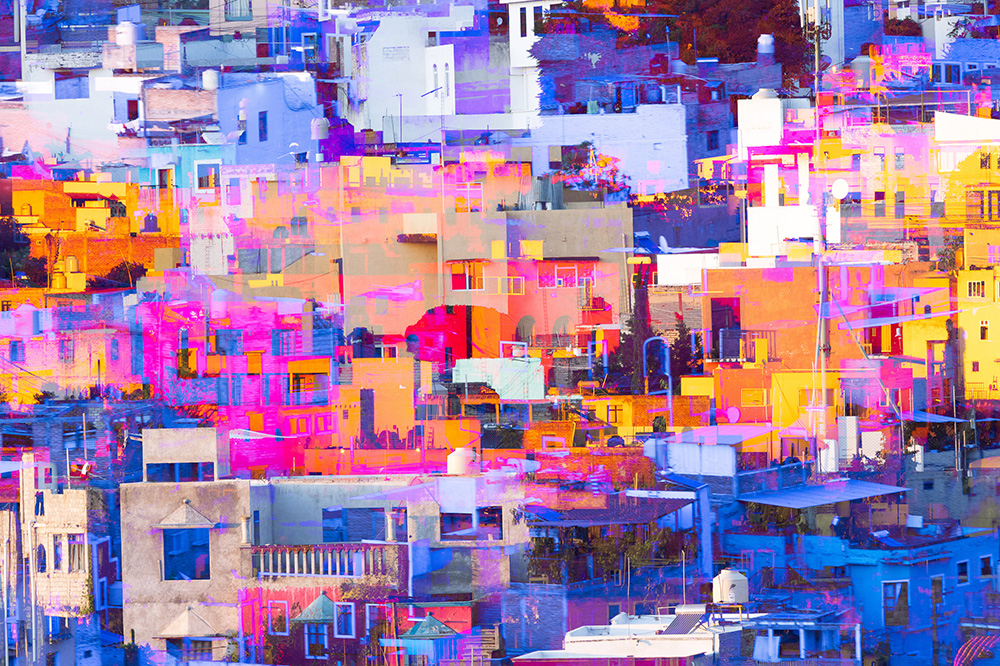
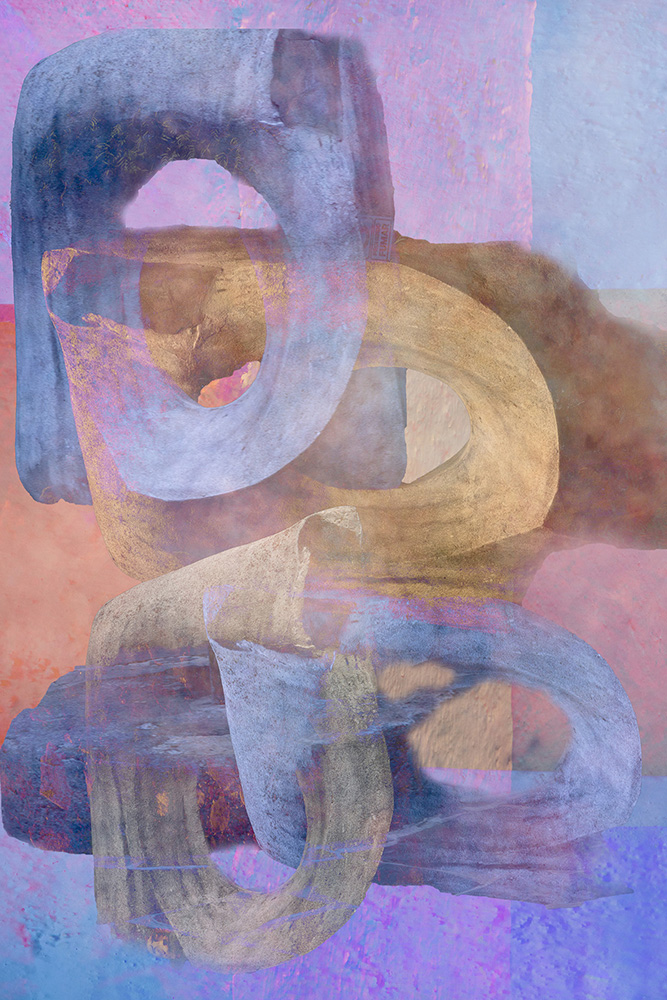
Move beyond simply documenting what is in front of your camera and begin photographing how a place, subject, or moment makes you feel. Through abstract and impressionistic approaches to photography, you will learn to slow down, look more closely, and discover expressive possibilities in familiar surroundings. Rather than pursuing a literal record, you will explore ways to reveal the essence, energy, mood, and beauty of what draws your attention.
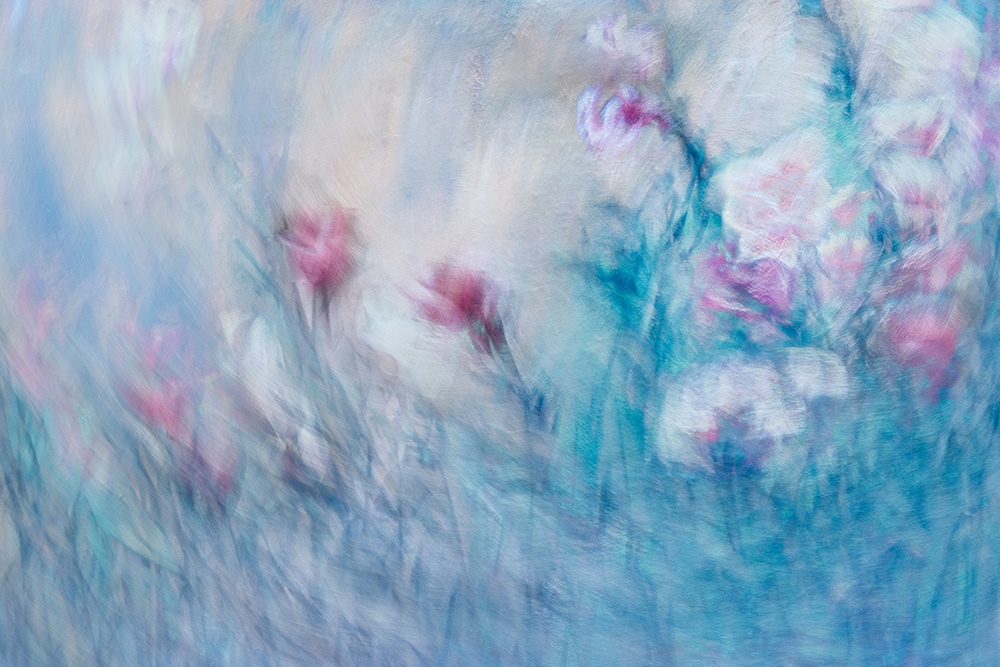
This class combines in-camera experimentation with thoughtful post-processing. You will learn how to use multiple exposures (ME), along with camera settings and movement techniques for intentional camera movement (ICM), to create interpretive images. We will experiment with photographing through patterned glass and other translucent or textured materials to introduce distortion, layering, and visual surprise. These approaches encourage you to respond to contrast, color, gesture, shape, and atmosphere—and to discover expressive possibilities in subjects you may otherwise overlook.
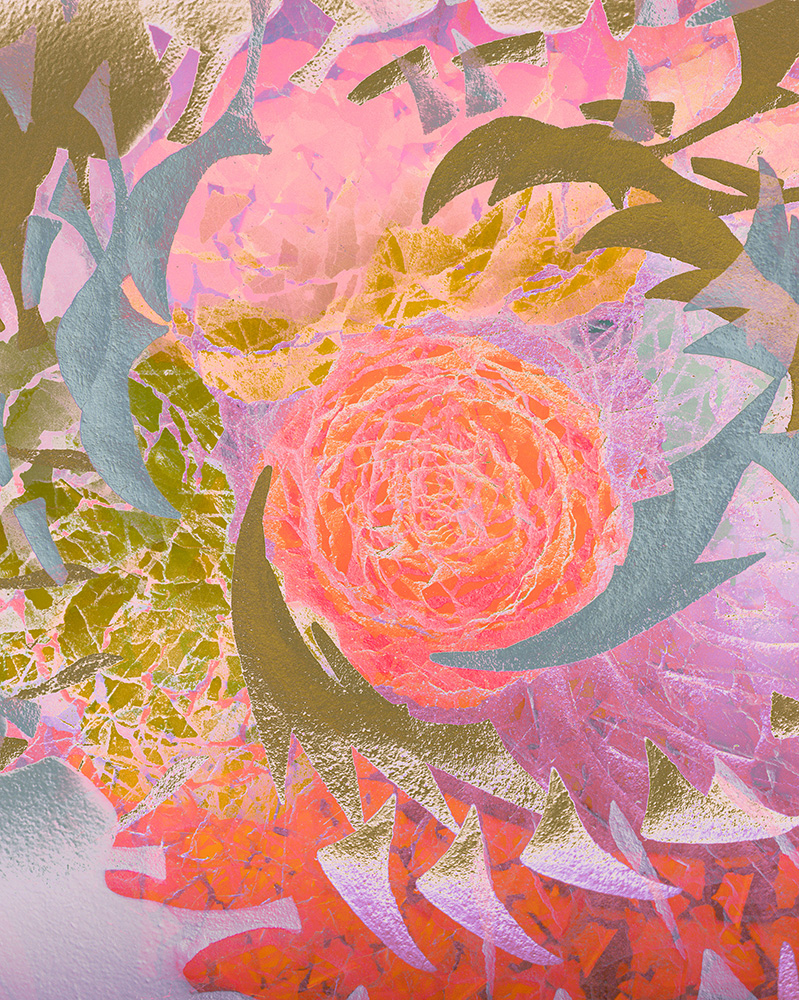
We will extend those ideas in post-production using Lightroom or Camera Raw and Photoshop. You will explore layer-based multiple exposures, ways to simulate or enhance a sense of movement, and creative color adjustments that support the emotional quality of an image. The emphasis will be on using editing as a continuation of your vision, not merely a finishing step.
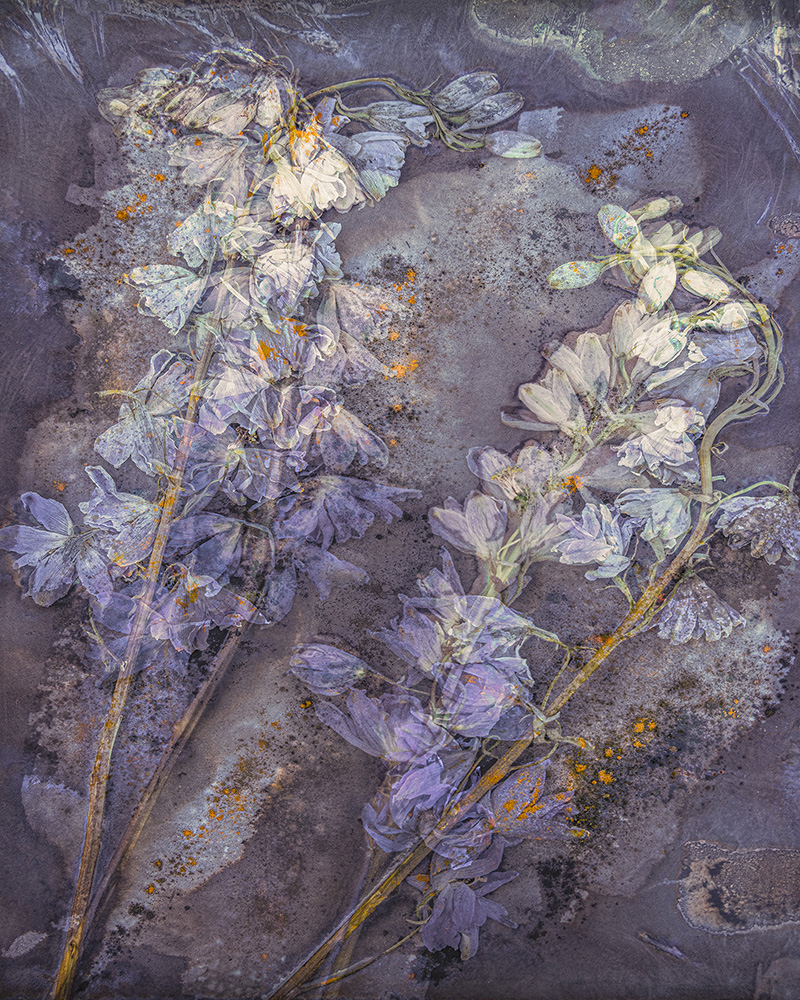
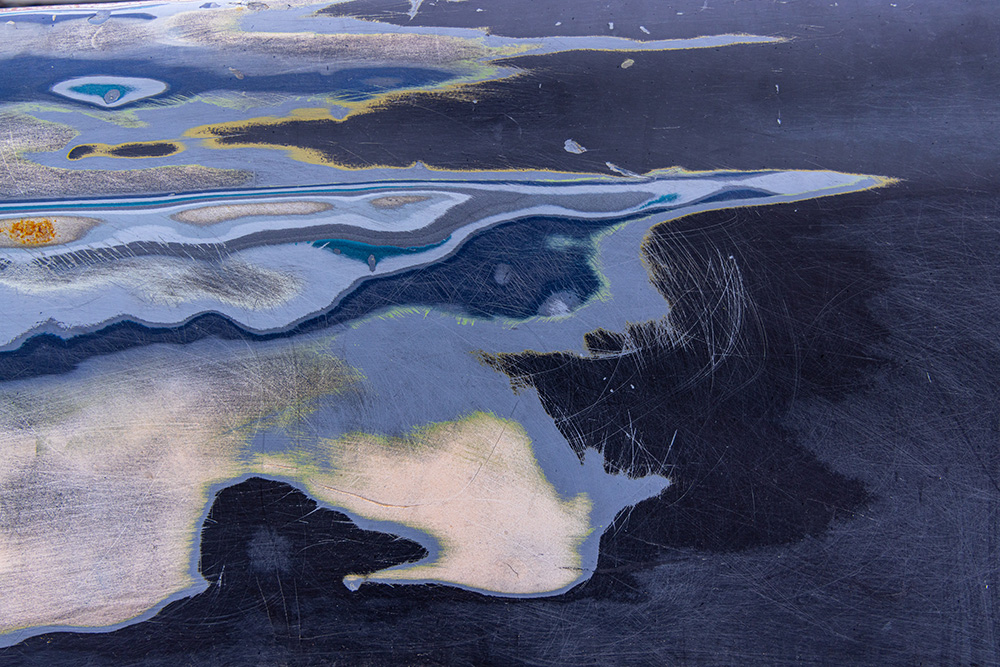
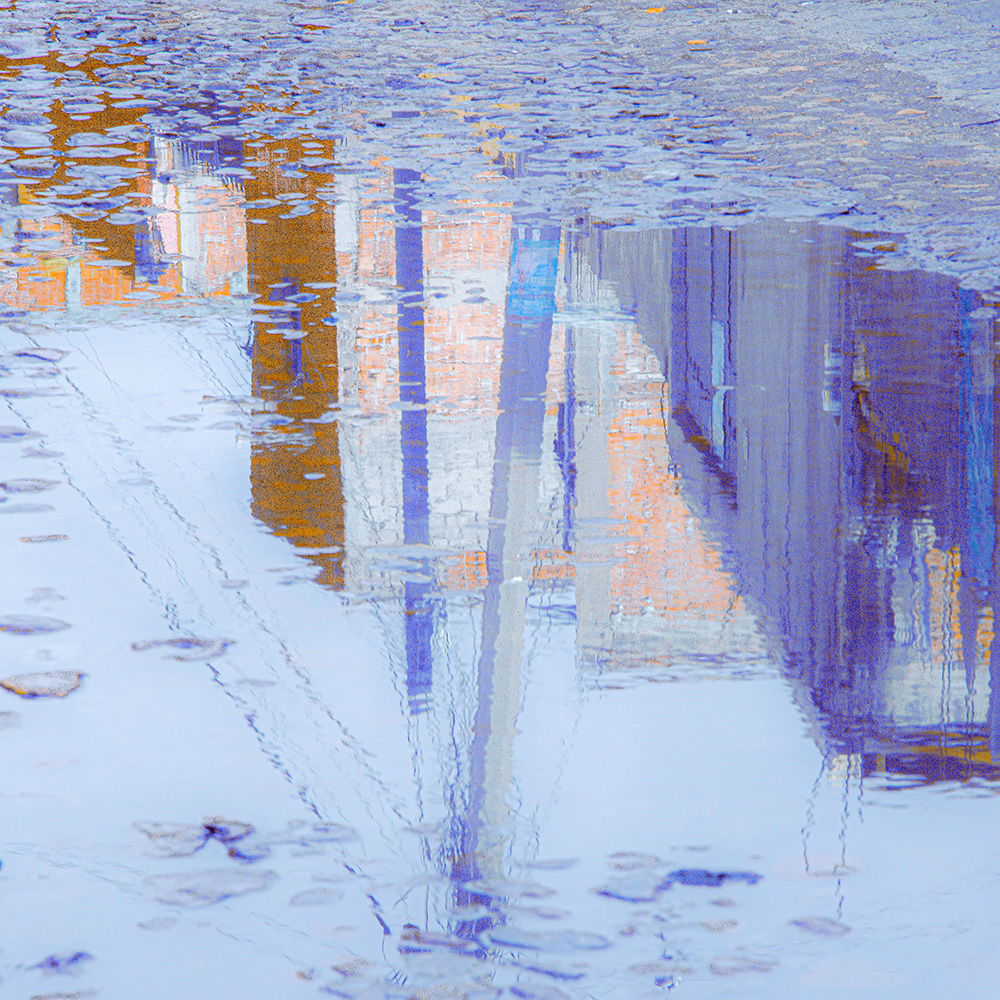
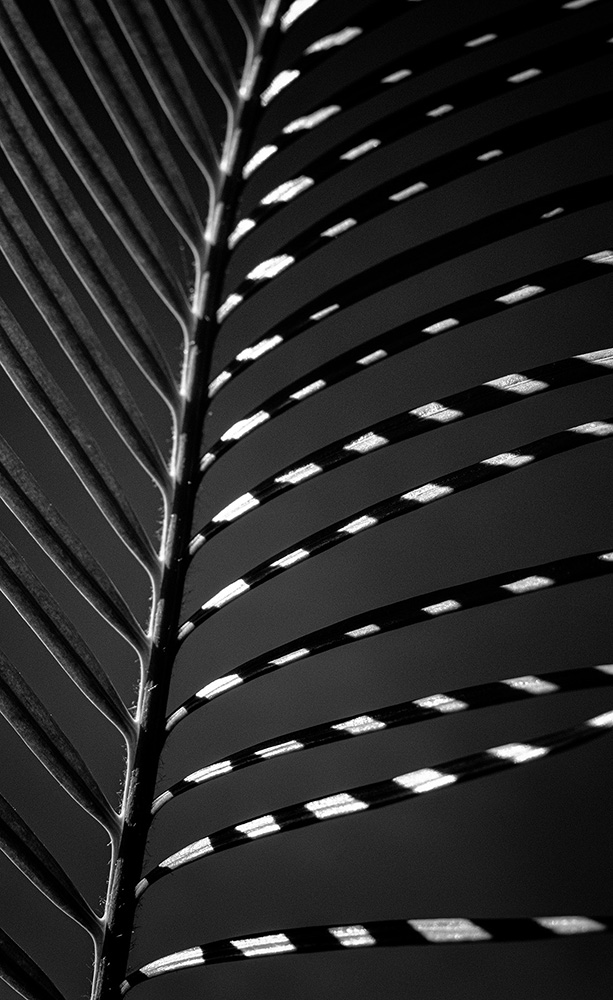
We will also turn our attention to abstract elements found in almost any scene. Through reflections, light, forms, and patterns in nature and architecture, you will practice recognizing compositions that can become abstract photographs. You will leave with practical techniques, fresh ways of seeing, and a broader visual vocabulary for creating personal, expressive work.
Bring a camera with a multiple-exposure capability. If your camera does not have this feature, you can still create layered multiple-exposure images in Photoshop; however, a camera with a multiple-exposure feature will allow you to participate fully in the in-camera exercises. Bring at least one versatile walk-around lens, such as a 24–70mm zoom, a comparable zoom, or a favorite prime lens. You will also need a neutral-density filter; a variable ND is welcome, and at least a 3-stop ND is recommended to help achieve slower shutter speeds in brighter conditions for ICM work. Please note that you should be fluent in using your camera in manual mode for this class.
You will also need a laptop with photo-editing software installed, its power cord, cards and a card reader, and sufficient storage or backup for your images. Demonstrations will use Lightroom, Adobe Camera Raw, and Photoshop; other software, including Nik Collection, may be useful but is not required. Please arrive comfortable with the basic operation of your editing software, including using layers, so you can focus on experimentation and creative exploration. If you have questions about your camera, lenses, filters, software, or current skill level, please contact Leslie before class.
This is a class for photographers ready to discover new ways of thinking about photography, welcome happy accidents, and make room for play. You will be encouraged to experiment, embrace imperfection, and ask, “What happens if I try…?” The goal is greater creative freedom and a more personal visual voice. Whether you are an experienced photographer seeking renewed inspiration or a committed learner ready to see differently, you will leave with fresh ways of seeing the world and a stronger ability to translate what you see and feel into images that come from the heart.
- CLASS INTENSITY: Blue
- CLASS BREAKDOWN
Classroom instruction & demos: 25%
Hands-on: 50%
Post-production: 25% - PREREQUISITES:
Lighting 1: All Levels
Post-Production 3: Can work with layers, layer masks & understand blend modes
Studio Business 1: All Levels
What do these mean? Learn More
Meet Your Instructor
Leslie Hoyt
Tulsa, OK
Instagram: lesliehoyt
Website: lesliehoyt.com
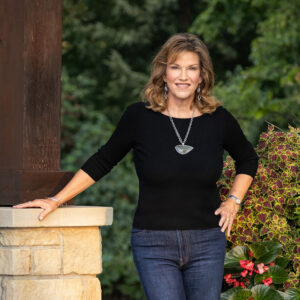
Leslie Hoyt, M.Photog., Cr., is a lens-based mixed media artist whose work bridges photographic craft, creative vision, and fine-art processes. After a successful portrait-photography career, she transitioned to fine art and now exhibits in juried shows and galleries.
Her practice begins with the camera and extends through digital post-processing and mixed-media techniques, transforming photographs into expressive works of art. Experience in image competition and service as a PPA juror gave Leslie a foundation in the visual elements needed for compelling imagery. These skills continue to guide her exploration of abstract photography and art.